
Occupational Therapy at Home: Helping Idaho Seniors Stay Independent


Maintaining independence at home is a top priority for many seniors, yet physical limitations, injuries, or chronic conditions can make everyday tasks increasingly difficult. Occupational therapy at Home in Idaho Falls provides a structured, patient-centered approach to restoring function and improving quality of life.
Unlike general rehabilitation, occupational therapy focuses specifically on helping individuals perform daily activities safely and efficiently. By combining clinical expertise with real-life application, in-home occupational therapy empowers seniors to remain in familiar surroundings while regaining confidence in their abilities.
What Is Occupational Therapy in a Home Health Setting?
Occupational therapy (OT) is a specialized healthcare service that helps individuals develop, recover, or maintain the skills needed for daily living. In a home health setting, therapy is delivered directly in the patient’s living environment, allowing interventions to be tailored to real-world challenges.
Therapists assess the patient’s ability to perform essential activities such as dressing, bathing, cooking, and mobility within the home. Through personalized care plans, OT addresses both physical and cognitive barriers, ensuring that improvements translate into practical, everyday independence.
Why Occupational Therapy Matters for Seniors
Aging often brings changes in strength, coordination, balance, and cognitive function. These changes can significantly impact the ability to perform routine tasks, increasing the risk of falls, injuries, and loss of independence.
Occupational therapy at Home in Idaho Falls helps seniors adapt to these changes by improving functional abilities and introducing strategies that make daily tasks more manageable. This proactive approach reduces reliance on caregivers while enhancing overall safety and confidence.
Key Areas Occupational Therapy Focuses On
Activities of Daily Living (ADLs)
ADLs include essential self-care tasks such as bathing, dressing, grooming, and eating. Difficulty performing these activities is often one of the first signs that additional support is needed.
Occupational therapists work with patients to improve strength, coordination, and technique, enabling them to perform these tasks more independently. Adaptive tools and modified routines are often introduced to simplify complex movements and reduce strain.
Instrumental Activities of Daily Living (IADLs)
IADLs involve more complex tasks such as meal preparation, managing medications, housekeeping, and handling finances. These activities are critical for maintaining independence but can become challenging with age or illness.
Through structured interventions, occupational therapy helps patients regain control over these tasks, ensuring they can manage their daily routines safely and effectively.
Home Safety and Environmental Modifications
One of the most valuable aspects of in-home occupational therapy is the ability to assess and modify the living environment. Therapists identify hazards such as loose rugs, poor lighting, or unsafe bathroom setups that may increase the risk of falls or injuries.
Recommendations may include installing grab bars, rearranging furniture, or using assistive devices. These modifications create a safer environment that supports long-term independence.
Personalized Therapy Plans for Better Outcomes
Every patient has unique needs, goals, and limitations. Occupational therapy at home in Idaho Falls emphasizes individualized care plans that are tailored to each person’s condition and lifestyle.
Therapists conduct comprehensive assessments to determine functional limitations and develop targeted interventions. Progress is continuously monitored, and care plans are adjusted as needed to ensure optimal results. This personalized approach leads to more effective and sustainable improvements.
The Role of Assistive Devices and Adaptive Techniques
Assistive devices play a crucial role in helping seniors maintain independence. These tools are designed to compensate for physical limitations and make daily tasks easier to perform.
Examples include reachers for picking up objects, specialized utensils for eating, and shower chairs for safe bathing. Occupational therapists also teach adaptive techniques that reduce strain and improve efficiency, allowing patients to complete tasks with greater ease and confidence.
Cognitive Support and Memory Strategies
Occupational therapy is not limited to physical rehabilitation—it also addresses cognitive challenges that may affect daily functioning. Memory loss, reduced attention, and difficulty with problem-solving can interfere with routine activities.
Therapists introduce strategies such as structured routines, visual cues, and organizational systems to support cognitive function. These interventions help patients maintain independence while reducing confusion and frustration.
Coordination with Physical and Speech Therapy
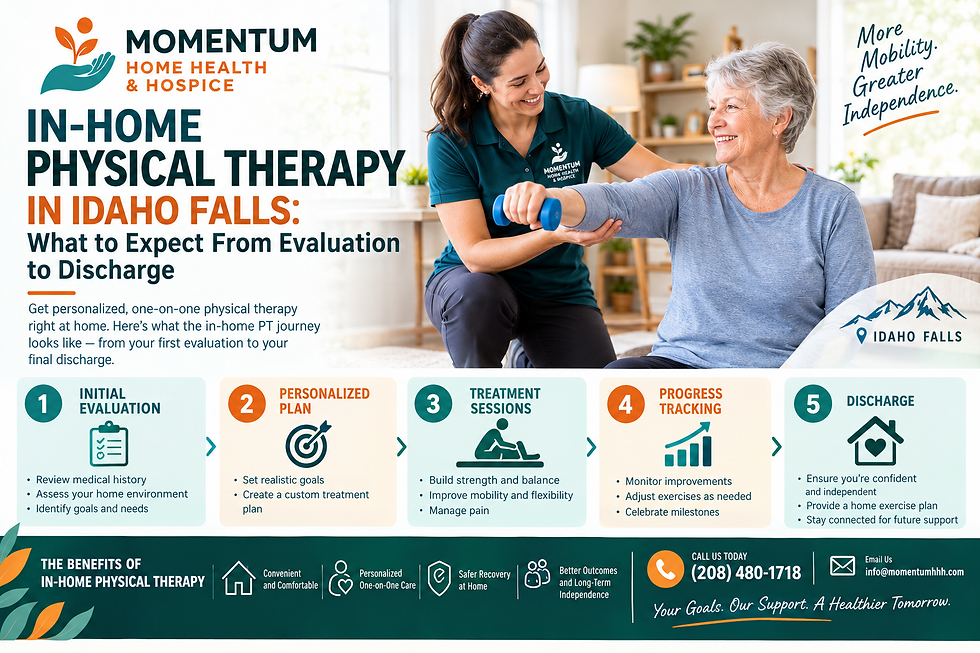
Occupational therapy often works in conjunction with other rehabilitation services to provide comprehensive care. Patients receiving in-home physical therapy in Idaho Falls benefit from improved strength and mobility, which complements OT’s focus on functional tasks.
Similarly, services such as speech therapy home visits in Idaho address communication and swallowing challenges, ensuring that all aspects of patient health are supported. Coordinated care through home physical therapy in Southeast Idaho and PT home visits in Idaho enhances overall outcomes by addressing multiple needs simultaneously.
Supporting Recovery After Illness or Surgery
Many patients require occupational therapy following surgery, hospitalization, or illness. Recovery often involves regaining the ability to perform basic tasks that were temporarily lost due to physical limitations or fatigue.
Occupational therapy at Home in Idaho Falls provides structured rehabilitation that focuses on restoring independence step by step. By practicing tasks in the home environment, patients develop confidence and skills that directly translate into daily life.
Reducing Fall Risk Through Functional Training
Falls are a leading cause of injury among seniors, often resulting from a combination of physical weakness and environmental hazards. Occupational therapy addresses both factors by improving functional movement and optimizing the home environment.
Therapists teach safe movement techniques, proper use of assistive devices, and strategies for navigating common obstacles. These interventions significantly reduce fall risk and promote long-term safety.
Emotional and Psychological Benefits of Occupational Therapy
Regaining independence has a profound impact on emotional well-being. Seniors who can perform daily tasks without assistance often experience increased confidence, reduced anxiety, and a greater sense of control over their lives.
Occupational therapy supports not only physical recovery but also mental and emotional health. By empowering patients to achieve their goals, therapy enhances overall quality of life.
When to Consider Occupational Therapy at Home
Not all patients require occupational therapy, but certain indicators suggest that it may be beneficial. These include:
● Difficulty performing daily self-care tasks
● Increased risk of falls or recent injuries
● Decline in cognitive function
● Recovery after surgery or hospitalization
● Need for home safety modifications
Early intervention allows patients to address challenges before they become more severe, improving long-term outcomes.
Integrating Occupational Therapy into Daily Life
The effectiveness of occupational therapy depends on consistency and integration into daily routines. Patients are encouraged to practice techniques and exercises regularly to reinforce progress.
Therapists provide guidance on incorporating strategies into everyday activities, ensuring that improvements are sustainable. This practical approach makes therapy more relevant and impactful.
Long-Term Benefits of In-Home Occupational Therapy
Occupational therapy at home in Idaho Falls offers long-term benefits that extend beyond immediate recovery. Patients who participate in therapy often experience improved mobility, greater independence, and reduced reliance on caregivers.
By addressing both physical and environmental factors, OT creates a comprehensive framework for maintaining health and safety over time. This proactive approach supports aging in place, allowing seniors to remain in their homes with confidence.
Frequently Asked Questions
What does an occupational therapist do during home visits?
They assess the patient’s ability to perform daily tasks, provide exercises, recommend adaptive tools, and suggest home modifications to improve safety and independence.
How is occupational therapy different from physical therapy?
Occupational therapy focuses on daily living activities, while physical therapy emphasizes strength, mobility, and physical rehabilitation.
How long does occupational therapy last?
The duration depends on the patient’s condition and progress, with therapy continuing as long as there is measurable improvement.
Can occupational therapy help with memory issues?
Yes, the therapists provide strategies and tools to support cognitive function and improve daily task management.
Is occupational therapy covered by insurance or Medicare?
Coverage depends on eligibility and medical necessity. Patients should review their plan details for specific information.
Regain Independence with Expert In-Home Therapy
Receive personalized occupational therapy services designed to support daily living and long-term independence with Momentum Home Health & Hospice.
Phone: 1-208-480-1718
Fax: 1-208-480-1737
Email: info@momentumhhh.com


Comments